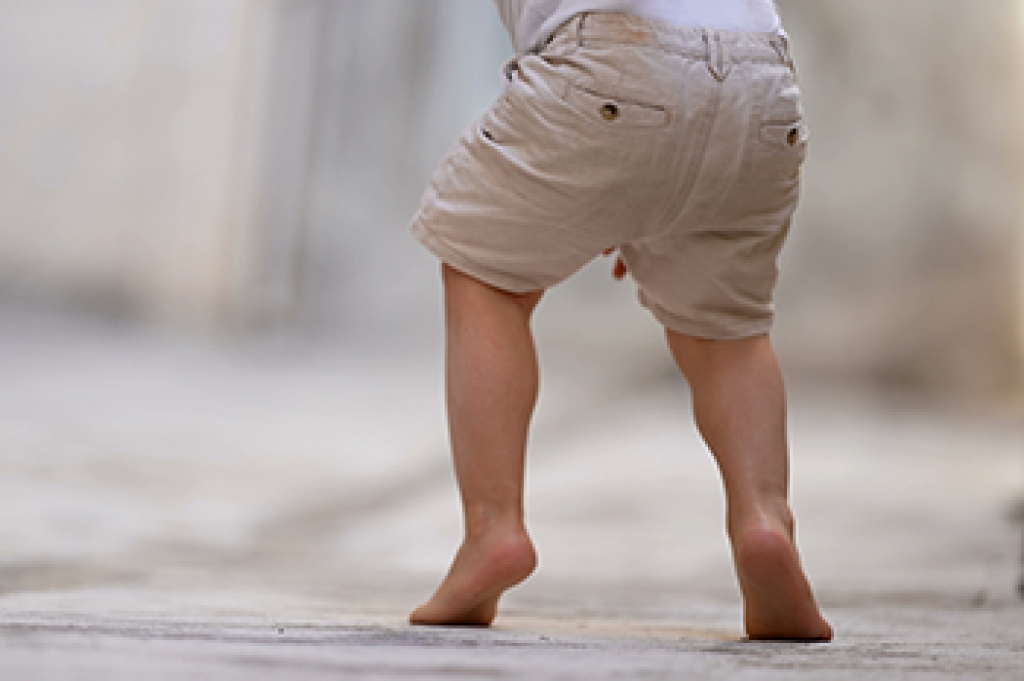
Risk Factors for Flat Feet

Flat feet is a condition in which the arches of the feet collapse or do not develop properly, causing the entire sole to make contact with the ground. This can result from genetics, injury, tendon dysfunction, or gradual wear over time. Symptoms may include foot pain, swelling, fatigue, and discomfort in the ankles, knees, or lower back. Risk factors include obesity, aging, prolonged standing, and wearing improper footwear that lacks support. Without proper care, flat feet can affect alignment and lead to further strain on the body. A podiatrist can help by evaluating foot structure, recommending supportive devices, and guiding treatment. If you have flat feet and are experiencing pain or discomfort, it is suggested that you consult a podiatrist who can help you to manage this condition.

Flatfoot is a condition many people suffer from. If you have flat feet, contact one of our doctors from Andrea Hyperbaric Wound Care & Health Center. Our doctors will treat your foot and ankle needs.

What Are Flat Feet?

Flatfoot is a condition in which the arch of the foot is depressed and the sole of the foot is almost completely in contact with the ground. About 20-30% of the population generally has flat feet because their arches never formed during growth.

Conditions & Problems:

Having flat feet makes it difficult to run or walk because of the stress placed on the ankles.

Alignment – The general alignment of your legs can be disrupted, because the ankles move inward which can cause major discomfort.

Knees – If you have complications with your knees, flat feet can be a contributor to arthritis in that area.  

Symptoms

  • Pain around the heel or arch area
  • Trouble standing on the tip toe
  • Swelling around the inside of the ankle
  • Flat look to one or both feet
  • Having your shoes feel uneven when worn

Treatment

If you are experiencing pain and stress on the foot you may weaken the posterior tibial tendon, which runs around the inside of the ankle. 

If you have any questions, please feel free to contact our office located in Astoria, NY . We offer the newest diagnostic and treatment technologies for all your foot care needs.
Read more about What is Flexible Flat Foot?

When Nerve Pain Develops Between the Toes

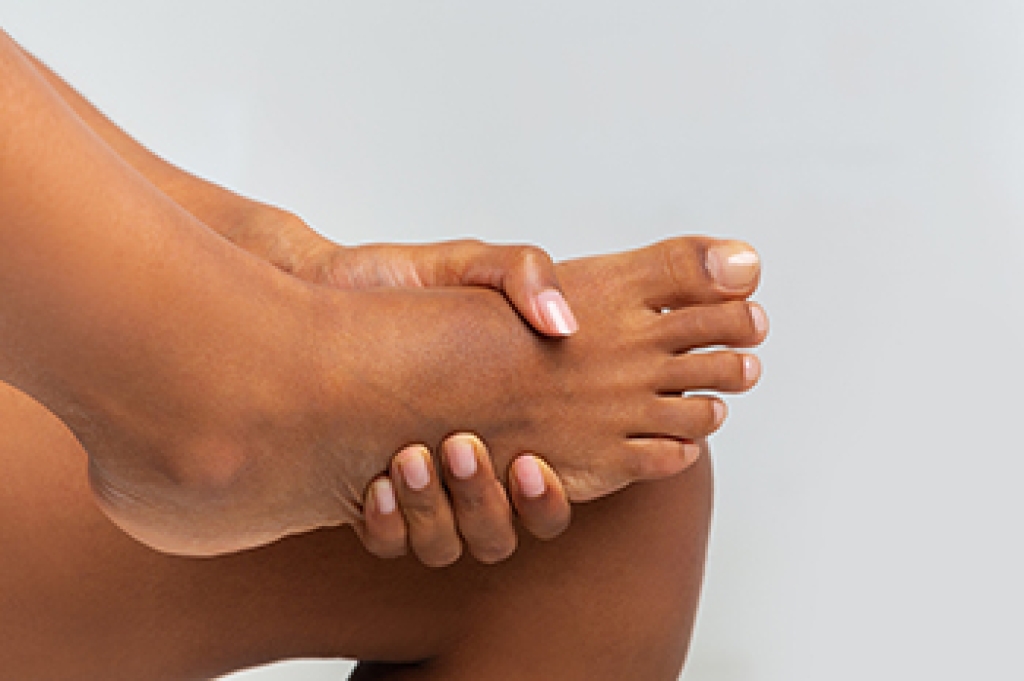
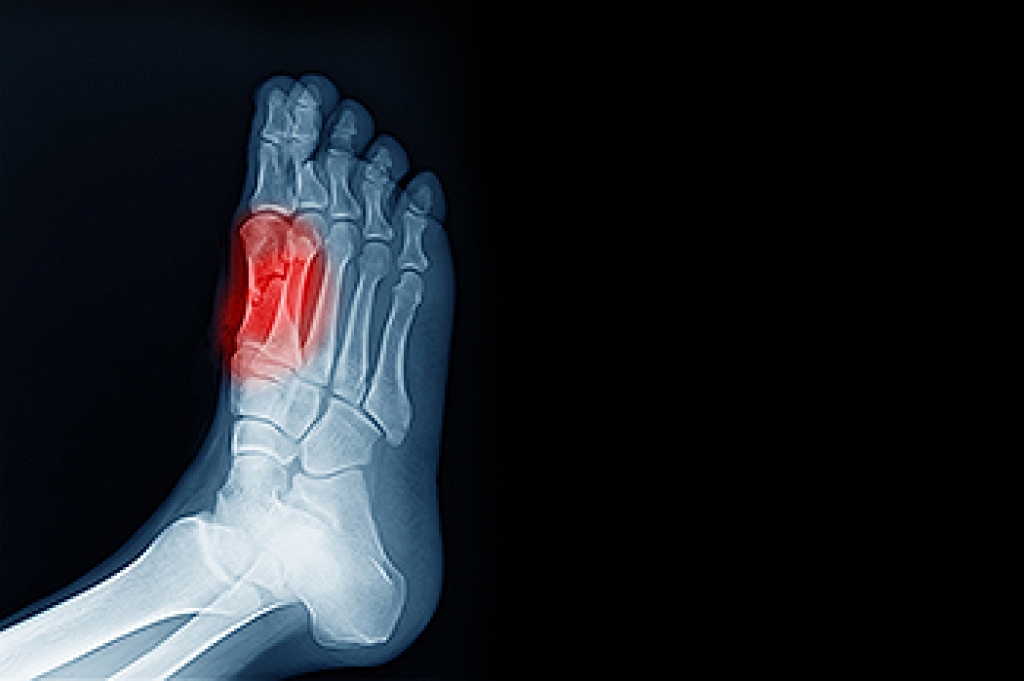
Morton’s neuroma is a condition that involves thickening of tissue surrounding a nerve, most often between the third and fourth toes. This can lead to burning pain, tingling, or the feeling that something is stuck under the ball of the foot. Symptoms may worsen with walking, standing, or wearing tight or narrow shoes that place pressure on the forefoot. Over time, the irritation can become more persistent if the source of pressure is not addressed. Care typically begins with reducing stress on the area through footwear changes, padding, or custom orthotics to improve weight distribution. Anti-inflammatory measures or targeted treatments may also help calm the irritated nerve. In cases where symptoms do not improve, additional procedures may be considered to relieve pressure or address the affected tissue. If you have ongoing forefoot pain or unusual sensations, it is suggested that you see a podiatrist for a proper diagnosis and appropriate treatment.

Morton’s neuroma is a very uncomfortable condition to live with. If you think you have Morton’s neuroma, contact one of our doctors of Andrea Hyperbaric Wound Care & Health Center. Our doctors will attend to all of your foot care needs and answer any of your related questions.  

Morton’s Neuroma

Morton's neuroma is a painful foot condition that commonly affects the areas between the second and third or third and fourth toe, although other areas of the foot are also susceptible. Morton’s neuroma is caused by an inflamed nerve in the foot that is being squeezed and aggravated by surrounding bones.

What Increases the Chances of Having Morton’s Neuroma?

  • Ill-fitting high heels or shoes that add pressure to the toe or foot
  • Jogging, running or any sport that involves constant impact to the foot
  • Flat feet, bunions, and any other foot deformities

Morton’s neuroma is a very treatable condition. Orthotics and shoe inserts can often be used to alleviate the pain on the forefront of the feet. In more severe cases, corticosteroids can also be prescribed. In order to figure out the best treatment for your neuroma, it’s recommended to seek the care of a podiatrist who can diagnose your condition and provide different treatment options.

If you have any questions, please feel free to contact our office located in Astoria, NY . We offer the newest diagnostic and treatment technologies for all your foot care needs.

Read more about Morton's Neuroma

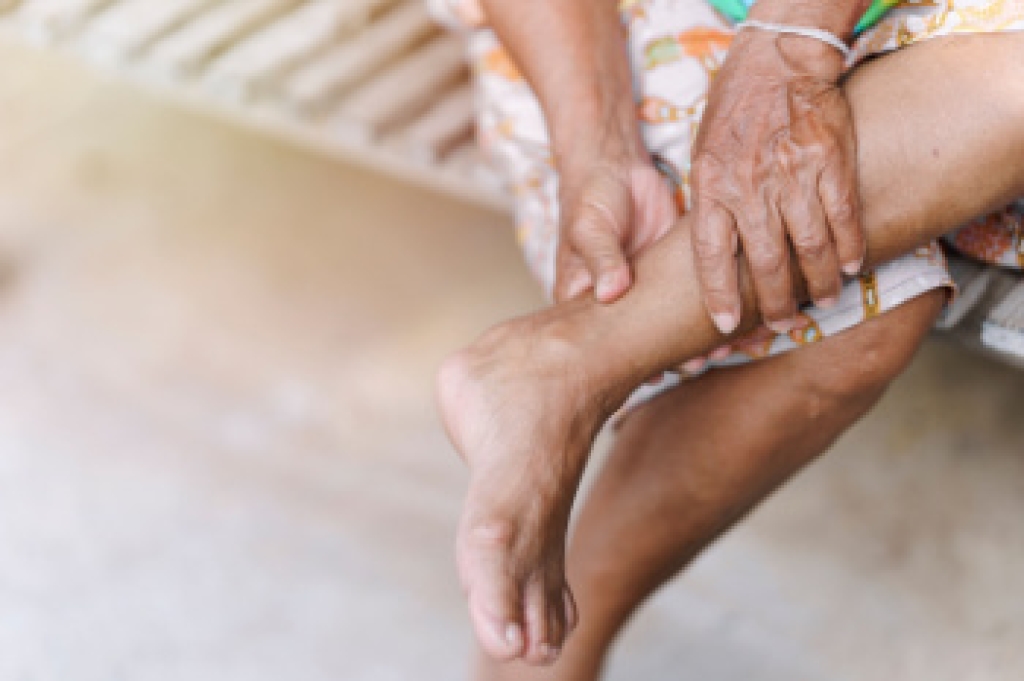
Causes of Falls in Older Adults

Falls, a common concern for older adults, can lead to serious injuries like broken bones, long-term pain, or reduced independence. Many factors increase the risk of falling. Aging may affect vision, hearing, and reflexes, making it harder to react quickly. Muscle loss can weaken the legs and reduce stability while walking. Balance and gait problems, which describe how smoothly and safely a person moves, may also contribute to a fall. Some health conditions that affect nerves, blood flow, or heart function can cause dizziness or unsteadiness. A sudden drop in blood pressure when standing may lead to lightheadedness and subsequent falls. Foot pain, deformities, or wearing poorly fitted or backless shoes can further affect balance. A podiatrist can assess foot structure, walking patterns, and sensation, and may recommend supportive footwear, custom inserts, or treatments to improve stability and mobility. If you are at risk of falling, it is suggested that you make an appointment with a podiatrist for an exam, diagnosis, and treatment.

Preventing falls among the elderly is very important. If you are older and have fallen or fear that you are prone to falling, consult with one of our doctors from Andrea Hyperbaric Wound Care & Health Center. Our doctors will assess your condition and provide you with quality advice and care.

Every 11 seconds, an elderly American is being treated in an emergency room for a fall related injury. Falls are the leading cause of head and hip injuries for those 65 and older. Due to decreases in strength, balance, senses, and lack of awareness, elderly persons are very susceptible to falling. Thankfully, there are a number of things older persons can do to prevent falls.

How to Prevent Falls

Some effective methods that older persons can do to prevent falls include:

  • Enrolling in strength and balance exercise program to increase balance and strength
  • Periodically having your sight and hearing checked
  • Discuss any medications you have with a doctor to see if it increases the risk of falling
  • Clearing the house of falling hazards and installing devices like grab bars and railings
  • Utilizing a walker or cane
  • Wearing shoes that provide good support and cushioning
  • Talking to family members about falling and increasing awareness

Falling can be a traumatic and embarrassing experience for elderly persons; this can make them less willing to leave the house, and less willing to talk to someone about their fears of falling. Doing such things, however, will increase the likelihood of tripping or losing one’s balance. Knowing the causes of falling and how to prevent them is the best way to mitigate the risk of serious injury.  

If you have any questions, please feel free to contact our office located in Astoria, NY . We offer the newest diagnostic and treatment technologies for all your foot care needs.
Read more about Falls Prevention

How Wearing High Heel Shoes Affect Foot Health

High heeled shoes can significantly affect the natural structure and function of the feet. As the heel height increases, more body weight shifts forward, placing greater pressure on the toes and the ball of the foot. This increased forefoot pressure may lead to discomfort, and may contribute to the development of foot deformities, over time. Conditions such as bunions, hammertoes, and nerve irritation may occur when the toes are forced into a narrow shoe space. Continued stress on the arch and heel may also contribute to plantar fasciitis, a painful inflammation of the connective tissue along the bottom of the foot. A podiatrist can evaluate foot alignment and provide supportive care. If you enjoy wearing high heels and have developed foot pain, it is suggested that you consult a podiatrist who can treat various foot and ankle conditions, and guide you toward more desirable shoes to wear.

High heels have a history of causing foot and ankle problems. If you have any concerns about your feet or ankles, contact one of our doctors from Andrea Hyperbaric Wound Care & Health Center. Our doctors can provide the care you need to keep you pain-free and on your feet.

Effects of High Heels on the Feet

High heels are popular shoes among women because of their many styles and societal appeal.  Despite this, high heels can still cause many health problems if worn too frequently.

Which Parts of My Body Will Be Affected by High Heels?

  • Ankle Joints
  • Achilles Tendon – May shorten and stiffen with prolonged wear
  • Balls of the Feet
  • Knees – Heels cause the knees to bend constantly, creating stress on them
  • Back – They decrease the spine’s ability to absorb shock, which may lead to back pain.  The vertebrae of the lower back may compress.

What Kinds of Foot Problems Can Develop from Wearing High Heels?

  • Corns
  • Calluses
  • Hammertoe
  • Bunions
  • Morton’s Neuroma
  • Plantar Fasciitis

How Can I Still Wear High Heels and Maintain Foot Health?

If you want to wear high heeled shoes, make sure that you are not wearing them every day, as this will help prevent long term physical problems.  Try wearing thicker heels as opposed to stilettos to distribute weight more evenly across the feet.  Always make sure you are wearing the proper shoes for the right occasion, such as sneakers for exercising.  If you walk to work, try carrying your heels with you and changing into them once you arrive at work.  Adding inserts to your heels can help cushion your feet and absorb shock. Full foot inserts or metatarsal pads are available. 

If you have any questions, please feel free to contact our office located in Astoria, NY . We offer the newest diagnostic and treatment technologies for all your foot care needs.

Read more about Why High Heels Are Not Ideal for Healthy Feet

Connect With Us

scroll to top