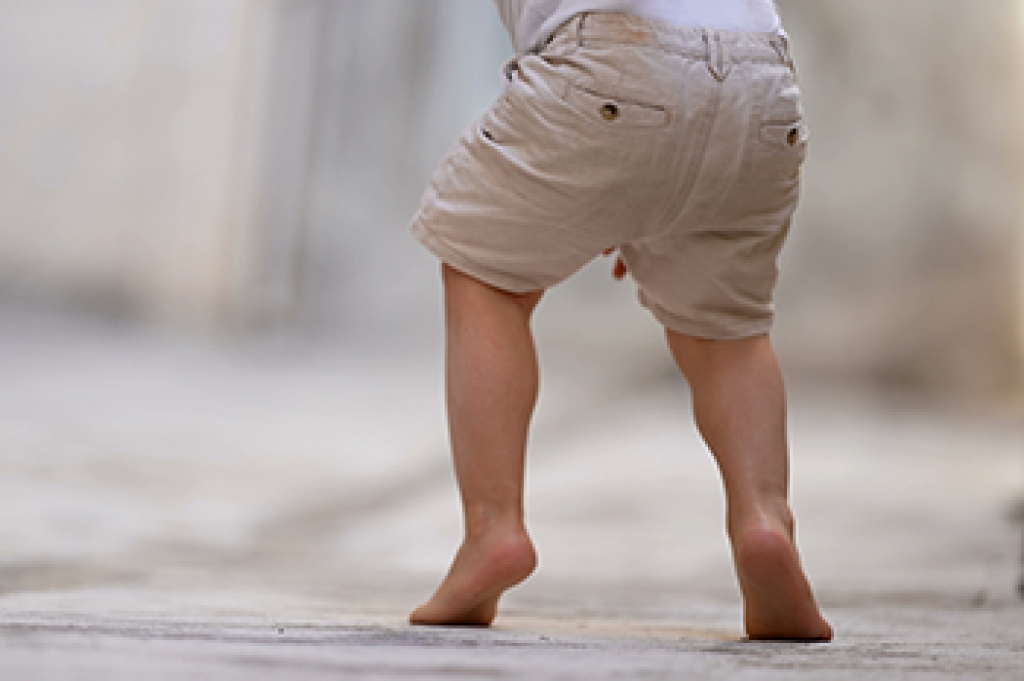
Balance Issues and Foot Injuries From Falling

Falls in seniors can affect mobility, independence, and overall quality of life. Many falls are linked to gait and balance disorders. These may be caused by underlying medical conditions, such as arthritis, neurological disorders, or vision problems. As the body ages, muscle strength and coordination can decline, making it more difficult to maintain stability during daily activities.

Symptoms related to fall risk often include unsteady walking, weakness in the legs, and difficulty maintaining balance. Seniors may feel unsure when standing or turning, and they may rely more on support from walls or furniture. Foot and ankle discomfort can also contribute to instability, especially if pain limits proper movement. Recognizing these warning signs early can help reduce the likelihood of a fall and prevent serious injury.


The causes of falls in seniors are often complex. Gait and balance disorders can result from chronic conditions that affect the muscles, joints, or nervous system. Wearing poor footwear, uneven surfaces, and inadequate lighting can further increase the risk. Falls can lead to foot and ankle injuries, such as fractures, sprains, or soft tissue damage, which may take longer to heal in older adults. These injuries can reduce mobility and contribute to a cycle of decreased activity and increased fall risk.


Risk factors for falls include advanced age, reduced muscle strength, and certain medications that affect coordination or alertness. A history of previous falls also increases the likelihood of future incidents. Maintaining proper foot health, wearing supportive shoes, and addressing balance concerns can help improve stability. If you have incurred foot and ankle injuries from falling, it is suggested that you consult a podiatrist for effective relief tips, treatment solutions, and guidance on how to prevent falling. 

Preventing falls among the elderly is very important. If you are older and have fallen or fear that you are prone to falling, consult with one of our doctors from Andrea Hyperbaric Wound Care & Health Center. Our doctors will assess your condition and provide you with quality advice and care.

Every 11 seconds, an elderly American is being treated in an emergency room for a fall related injury. Falls are the leading cause of head and hip injuries for those 65 and older. Due to decreases in strength, balance, senses, and lack of awareness, elderly persons are very susceptible to falling. Thankfully, there are a number of things older persons can do to prevent falls.

How to Prevent Falls

Some effective methods that older persons can do to prevent falls include:

  • Enrolling in strength and balance exercise program to increase balance and strength
  • Periodically having your sight and hearing checked
  • Discuss any medications you have with a doctor to see if it increases the risk of falling
  • Clearing the house of falling hazards and installing devices like grab bars and railings
  • Utilizing a walker or cane
  • Wearing shoes that provide good support and cushioning
  • Talking to family members about falling and increasing awareness

Falling can be a traumatic and embarrassing experience for elderly persons; this can make them less willing to leave the house, and less willing to talk to someone about their fears of falling. Doing such things, however, will increase the likelihood of tripping or losing one’s balance. Knowing the causes of falling and how to prevent them is the best way to mitigate the risk of serious injury.  

If you have any questions, please feel free to contact our office located in Astoria, NY . We offer the newest diagnostic and treatment technologies for all your foot care needs.
Read more about Falls Prevention

Orthotics for Foot Pain

Orthotics are specially designed shoe inserts that improve the way the feet support the body while standing and walking. They help control foot movement, reduce pressure, and improve balance. Unlike simple insoles, orthotics are designed to match a person's foot shape and movement patterns. A podiatrist examines the feet, watches how you walk, and identifies areas of extra stress before recommending treatment. Orthotics can help relieve pain caused by problems like plantar fasciitis, flat feet, and arthritis. They also reduce strain on joints by improving foot alignment. Better alignment helps the feet work more efficiently and can make everyday activities more comfortable. Research also shows that properly prescribed orthotics improve function and reduce pain for many patients with foot conditions.

Orthotics come in different designs to meet different needs. Some are custom-made after a detailed assessment, while others are prefabricated and selected for specific foot problems. A podiatrist determines which option provides the best support based on your symptoms, foot structure, and activity level. Custom orthotics provide a more precise fit for complex conditions. Prefabricated devices can also provide meaningful relief for certain patients. Modern materials allow orthotics to remain lightweight, durable, and comfortable while fitting inside many styles of shoes. Proper fit is important because shoes that lack proper support or fit too tightly can reduce the benefits of orthotics.

A podiatrist also checks how orthotics perform after they are prescribed and makes adjustments when necessary to improve comfort and function. Regular follow-up visits help confirm that the devices continue supporting the feet correctly. Orthotics can reduce stress on painful areas, improve stability, and help people stay active with greater confidence. Early evaluation also helps address foot problems before they become more difficult to manage. If you have symptoms of foot pain or a condition that could benefit from orthotics, it is suggested that you schedule an appointment with a podiatrist who can determine what type of orthotics are right for you.

If you are having discomfort in your feet and would like to try orthotics, contact one of our doctors from Andrea Hyperbaric Wound Care & Health Center. Our doctors can provide the care you need to keep you pain-free and on your feet.

What Are Orthotics?

Orthotics are inserts you can place into your shoes to help with a variety of foot problems such as flat feet or foot pain. Orthotics provide relief and comfort for minor foot and heel pain but can’t correct serious biomechanical problems in your feet.

Over-the-Counter Inserts

Orthotics come in a wide variety of over-the-counter inserts that are used to treat foot pain, heel pain, and minor problems. For example, arch supports can be inserted into your shoes to help correct overarched or flat feet, while gel insoles are often used because they provide comfort and relief from foot and heel pain by alleviating pressure.

Prescription Orthotics

If over-the-counter inserts don’t work for you or if you have a more severe foot concern, it is possible to have your podiatrist prescribe custom orthotics. These high-quality inserts are designed to treat problems such as abnormal motion, plantar fasciitis, and severe forms of heel pain. They can even be used to help patients suffering from diabetes by treating foot ulcers and painful calluses and are usually molded to your feet individually, which allows them to provide full support and comfort.

If you are experiencing minor to severe foot or heel pain, it’s recommended to speak with your podiatrist about the possibilities of using orthotics. A podiatrist can determine which type of orthotic is right for you and allow you to take the first steps towards being pain-free.

If you have any questions, please feel free to contact our office located in Astoria, NY . We offer the newest diagnostic and treatment technologies for all your foot care needs.

Read more about Foot Orthotics

How a Podiatrist Can Help With Ankle Pain

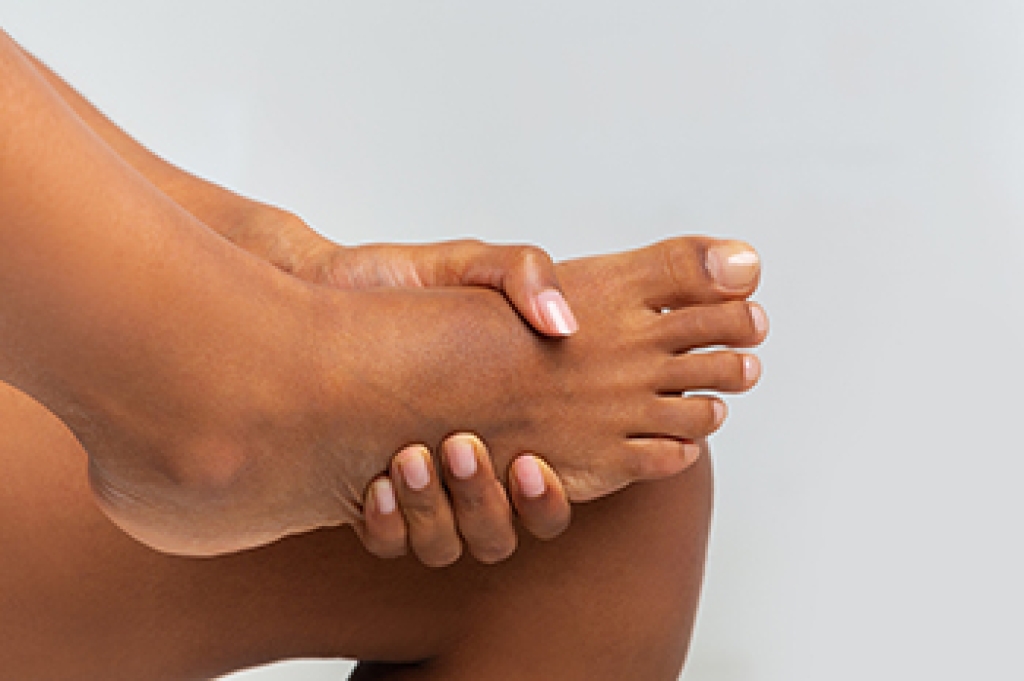
Ankle pain can make walking, standing, and daily activities more difficult. The ankle is a complex joint that connects the foot and lower leg while helping the body maintain balance and movement. Pain can develop after an injury, repeated stress, or problems affecting the bones, ligaments, tendons, or surrounding tissues. Ligaments are strong bands of tissue that connect bones and help stabilize joints. Ankle sprains are a frequent cause of ankle pain, but other conditions can also affect ankle function. Symptoms include swelling, stiffness, tenderness, and difficulty moving the foot comfortably. Some patients also notice weakness or a feeling that the ankle is unstable. A podiatrist can perform an evaluation to identify the cause of discomfort and determine the most appropriate treatment approach.

A podiatrist examines the foot and ankle to understand how pain is affecting movement and overall function. The evaluation includes checking joint mobility, muscle strength, flexibility, balance, and walking patterns. A podiatrist also reviews the patient's symptoms, activity level, and medical history to identify factors contributing to the problem. Treatment includes customized care plans that focus on improving ankle function, supporting proper movement, and reducing stress on affected tissues. A podiatrist may also evaluate footwear because shoes that lack proper support can affect foot mechanics and place additional strain on the ankle. Treatment options are based on the patient's specific condition and examination findings.

Research shows that ankle pain can affect balance, mobility, and quality of life, making proper evaluation important for effective care. A podiatrist helps patients understand the cause of their symptoms and develops a treatment plan focused on restoring healthy foot and ankle function. Better ankle movement can improve comfort and support participation in daily activities. Treatment plans are personalized according to each patient's symptoms, physical examination, and lifestyle needs. Regular evaluations help monitor progress and guide adjustments in care. If you have symptoms of ankle pain, it is suggested that you make an appointment with a chiropractor for diagnosis and treatment.

Ankle pain can have many different causes and the pain may potentially be serious. If you have ankle pain, consult with one of our doctors from Andrea Hyperbaric Wound Care & Health Center. Our doctors will assess your condition and provide you with quality foot and ankle treatment.

Ankle pain is any condition that causes pain in the ankle. Due to the fact that the ankle consists of tendons, muscles, bones, and ligaments, ankle pain can come from a number of different conditions.

Causes

The most common causes of ankle pain include:

  • Types of arthritis (rheumatoid, osteoarthritis, and gout)
  • Ankle sprains
  • Broken ankles
  • Achilles tendinitis
  • Achilles tendon rupture
  • Stress fractures
  • Tarsal tunnel syndrome
  • Plantar fasciitis

Symptoms

Symptoms of ankle injury vary based upon the condition. Pain may include general pain and discomfort, swelling, aching, redness, bruising, burning or stabbing sensations, and/or loss of sensation.

Diagnosis

Due to the wide variety of potential causes of ankle pain, podiatrists will utilize a number of different methods to properly diagnose ankle pain. This can include asking for personal and family medical histories and of any recent injuries. Further diagnosis may include sensation tests, a physical examination, and potentially x-rays or other imaging tests.

Treatment

Just as the range of causes varies widely, so do treatments. Some more common treatments are rest, ice packs, keeping pressure off the foot, orthotics and braces, medication for inflammation and pain, and surgery.

If you have any questions please feel free to contact our office located in Astoria, NY . We offer the newest diagnostic tools and technology to treat your foot and ankle needs.

Read more about Ankle Pain

Why a Broken Toe Should Be Evaluated by a Podiatrist

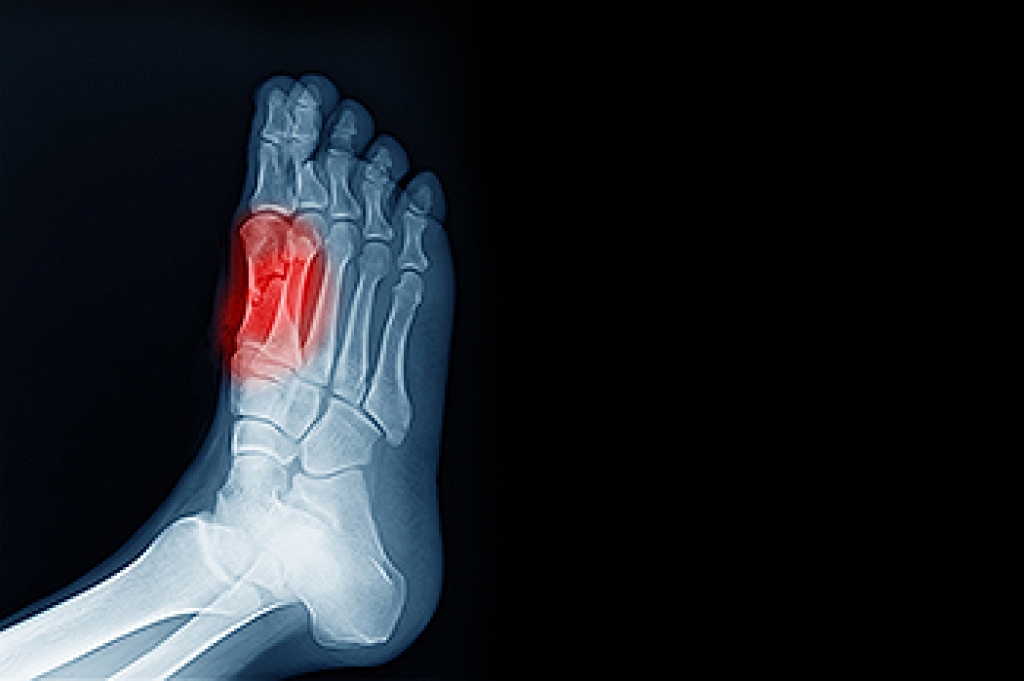
A broken toe is a common injury that can make walking, standing, and other daily activities uncomfortable. It often results from stubbing the toe, dropping a heavy object on the foot, or experiencing a sports-related injury. A fracture may involve a small crack in the bone or a more serious break that affects the toe's alignment. Because the toes help provide balance and support with every step, even a minor fracture can interfere with normal movement. Some broken toes heal without complications, while others require closer medical attention to prevent long-term problems. A professional evaluation is important to determine the type of fracture and recommend the most appropriate treatment. Early diagnosis may also help protect foot function and support proper healing.


Symptoms of a broken toe usually appear soon after the injury. Many people experience pain, swelling, or bruising around the affected toe. Others notice tenderness or difficulty putting weight on the front of the foot. In some cases, the toe may appear crooked or sit in an unusual position if the bones have shifted. Walking may become more difficult because of discomfort and reduced flexibility. Since sprains and fractures can cause similar symptoms, imaging studies may be needed to confirm the diagnosis. Prompt treatment can help reduce complications and support a smoother recovery.


A podiatrist specializes in diagnosing and treating broken toes and other foot injuries. During an examination, the podiatrist evaluates the injured toe, reviews the symptoms, and determines the extent of the fracture before creating an individualized treatment plan. Treatment focuses on restoring proper alignment when needed, protecting the injured area, and supporting healthy healing. Ongoing podiatry care may also help improve foot function and reduce the risk of long-term complications. If you are experiencing toe pain, swelling, or difficulty walking after an injury, it is suggested that you consult a podiatrist for an evaluation and appropriate treatment options.

A broken toe can be very painful and lead to complications if not properly fixed. If you have any concerns about your feet, contact one of our doctors from Andrea Hyperbaric Wound Care & Health Center. Our doctors will treat your foot and ankle needs.

What to Know About a Broken Toe

Although most people try to avoid foot trauma such as banging, stubbing, or dropping heavy objects on their feet, the unfortunate fact is that it is a common occurrence. Given the fact that toes are positioned in front of the feet, they typically sustain the brunt of such trauma. When trauma occurs to a toe, the result can be a painful break (fracture).

Symptoms of a Broken Toe

  • Throbbing pain
  • Swelling
  • Bruising on the skin and toenail
  • The inability to move the toe
  • Toe appears crooked or disfigured
  • Tingling or numbness in the toe

Generally, it is best to stay off of the injured toe with the affected foot elevated.

Severe toe fractures may be treated with a splint, cast, and in some cases, minor surgery. Due to its position and the pressure it endures with daily activity, future complications can occur if the big toe is not properly treated.

If you have any questions, please feel free to contact our office located in Astoria, NY . We offer the newest diagnostic and treatment technologies for all your foot care needs.

Read more about What to Know About a Broken Toe

Connect With Us

scroll to top