Preventing and Treating Ingrown Toenails for Foot Comfort

Ingrown toenails occur when the edge of a toenail grows into the surrounding skin. They are often caused by improper trimming, tight footwear, trauma, or genetic predisposition. An ingrown toenail may look red, swollen, or infected, and in severe cases, pus or drainage may be present. Many individuals experience pain, tenderness, or a throbbing sensation along the affected nail, making walking or wearing shoes uncomfortable. Ingrown toenails most commonly affect the big toe and can recur if not properly managed. A podiatrist can start by examining the nail and surrounding tissue to assess the severity and rule out infection. Treatment options include careful trimming, nail-lifting techniques, and medicated dressings. In chronic cases, partial nail removal or minor surgical procedures are required to prevent recurrence. Early professional care can help to reduce pain, prevent infection, and support healthy nail growth. If you notice persistent pain, swelling, or signs of infection around a toenail, it is suggested that you make an appointment with a podiatrist.

Ingrown toenails may initially present themselves as a minor discomfort, but they may progress into an infection in the skin without proper treatment. For more information about ingrown toenails, contact one of our doctors of Andrea Hyperbaric Wound Care & Health Center. Our doctors can provide the care you need to keep you pain-free and on your feet.

Ingrown Toenails

Ingrown toenails are caused when the corner or side of a toenail grows into the soft flesh surrounding it. They often result in redness, swelling, pain, and in some cases, infection. This condition typically affects the big toe and may recur if it is not treated properly.

Causes

  • Improper toenail trimming
  • Genetics
  • Improper shoe fitting
  • Injury from pedicures or nail picking
  • Abnormal gait
  • Poor hygiene

You are more likely to develop an ingrown toenail if you are obese, have diabetes, arthritis, or have any fungal infection in your nails. Additionally, people who have foot or toe deformities are at a higher risk of developing an ingrown toenail.

Symptoms

Some symptoms of ingrown toenails are redness, swelling, and pain. In rare cases, there may be a yellowish drainage coming from the nail.

Treatment

Ignoring an ingrown toenail can have serious complications. Infections of the nail border can progress to a deeper soft-tissue infection, which can then turn into a bone infection. You should always speak with your podiatrist if you suspect you have an ingrown toenail, especially if you have diabetes or poor circulation.

If you have any questions, please feel free to contact our office located in Astoria, NY . We offer the newest diagnostic and treatment technologies for all your foot care needs.
Read more about Ingrown Toenails

Foot Exercises That Help Prevent Running Injuries

Strong and flexible feet help protect runners from common injuries, and simple daily exercises can make a big difference. Towel crunches strengthen the small stabilizing muscles by placing a towel on the floor and pulling it toward you with your toes. Toe yoga improves balance by lifting your big toe while keeping the others down, then lifting the smaller toes while the big toe stays grounded. A big toe press builds power by pressing the toe firmly into the floor while maintaining a steady arch. Additionally, dynamic ankle dorsiflexion improves mobility by lunging forward and guiding the knee over the toes without lifting the heel. If you have sustained a foot injury that is keeping you from running, it is suggested that you consult a podiatrist who can treat various foot conditions, and guide you on additional running prevention techniques.

Exercising your feet regularly with the proper foot wear is a great way to prevent injuries. If you have any concerns about your feet, contact one of our doctors of Andrea Hyperbaric Wound Care & Health Center. Our doctors will treat your foot and ankle needs.

How to Prevent Running Injuries

Many common running injuries are caused by overuse and overtraining. When the back of the kneecap starts wearing out and starts causing pain in your knee, this is commonly referred to as runner’s knee. Runner’s knee is a decrease in strength in your quadriceps and can occur if you’re not wearing properly fitted or supporting shoes. To prevent runner’s knee, focusing on hip strengthening is a good idea, as well as strengthening your quads to keep the kneecaps aligned.

What Are Some Causes of Running Injuries? 
- One cause of a common running injury is called iliotibial band syndrome.
- Plantar fasciitis is also another common injury.
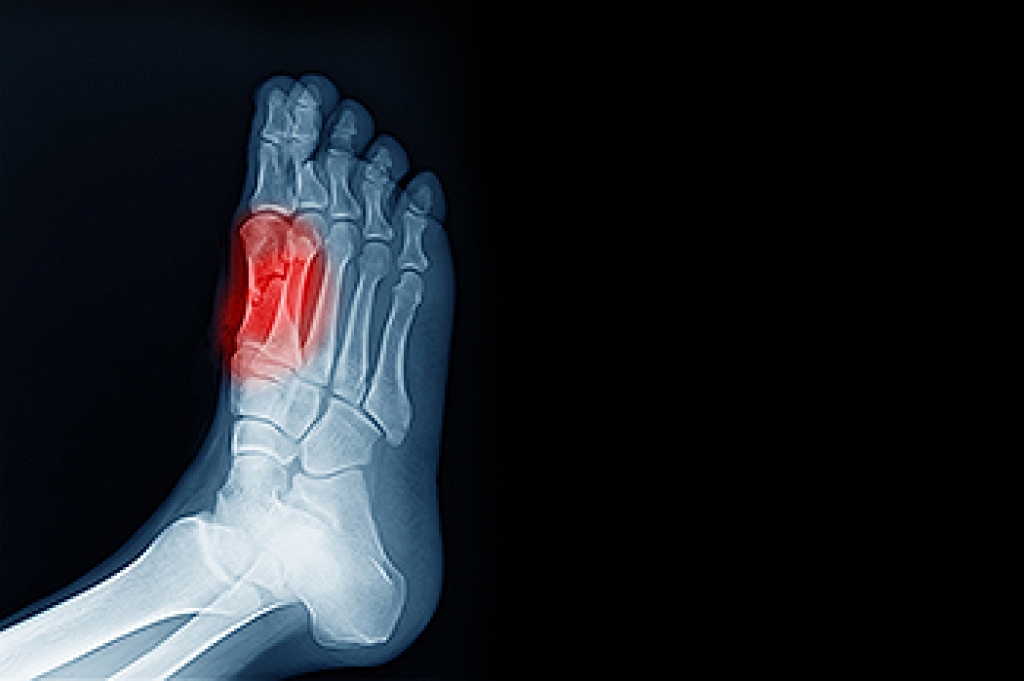
- Stress fractures can occur from overtraining, lack of calcium, or even your running style.

Best Ways to Prevent Running Injuries
- Wear footwear that fits properly and suits your running needs.
- Running shoes are the only protective gear that runners have to safeguard them from injury.
- Make a training schedule. Adding strengthening exercises as well as regular stretching can help keep you strong and limber and can lessen the possibility of injuries.
- Stretching keeps muscles limber; this will help you gain better flexibility.

If you have any questions, please feel free to contact our office located in Astoria, NY . We offer the newest diagnostic and treatment technologies for all your foot care needs.
Read more about How to Prevent Running Injuries

Why Live with Pain and Numbness in Your Feet?

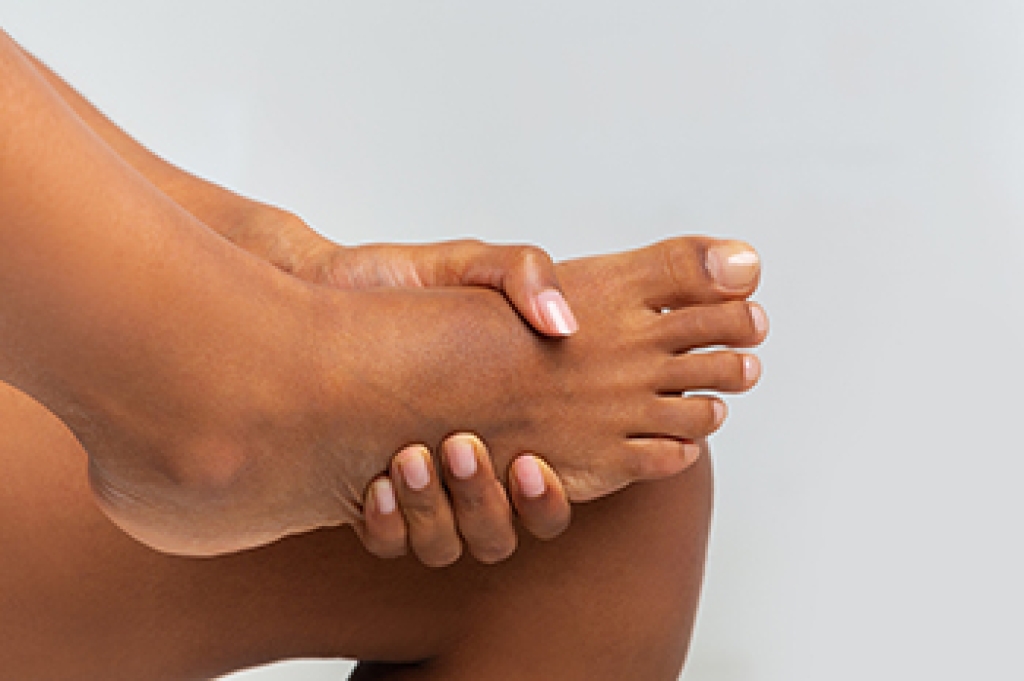
Suffering from this type of pain? You may have the foot condition known as Morton's neuroma. Morton's neuroma may develop as a result of ill-fitting footwear and existing foot deformities. We can help.

Causes of Pain Across the Top of the Foot

Pain across the top of the foot often develops from irritation of the extensor tendons, which run from the front of the ankle to the toes, and help lift them upward. Because these tendons sit close to the surface with little protective padding, they can become strained or inflamed from repeated friction, tight laces, or wearing shoes that lack adequate support. Activities that place stress on the tendons, such as running on uneven ground or climbing hills, may also increase discomfort. People with high arches or flat feet may be at a greater risk, as both conditions place additional pressure on the top of the foot. Symptoms include tenderness, swelling, and difficulty wearing shoes without pain. In some cases, bruising may be visible. A podiatrist can recommend proper footwear adjustments, prescribe orthotics, or discuss further treatment options, including surgery, if needed. If you have pain across the top of the foot, it is suggested that you schedule an appointment with a podiatrist for an exam and appropriate treatment.

Foot Pain

Foot pain can be extremely painful and debilitating. If you have a foot pain, consult with one of our doctors from Andrea Hyperbaric Wound Care & Health Center. Our doctors will assess your condition and provide you with quality foot and ankle treatment.

Causes

Foot pain is a very broad condition that could be caused by one or more ailments. The most common include:

  • Bunions
  • Hammertoes
  • Plantar Fasciitis
  • Bone Spurs
  • Corns
  • Tarsal Tunnel Syndrome
  • Ingrown Toenails
  • Arthritis (such as Gout, Rheumatoid, and Osteoarthritis)
  • Flat Feet
  • Injury (from stress fractures, broken toe, foot, ankle, Achilles tendon ruptures, and sprains)
  • And more

Diagnosis

To figure out the cause of foot pain, podiatrists utilize several different methods. This can range from simple visual inspections and sensation tests to X-rays and MRI scans. Prior medical history, family medical history, and any recent physical traumatic events will all be taken into consideration for a proper diagnosis.

Treatment

Treatment depends upon the cause of the foot pain. Whether it is resting, staying off the foot, or having surgery; podiatrists have a number of treatment options available for foot pain.

If you have any questions, please feel free to contact our office located in Astoria, NY . We offer the newest diagnostic and treatment technologies for all your foot care needs.

Read more about Foot Pain

Understanding What a Cheilectomy Is

A big toe bone spur, also known as hallux rigidus, is a bony growth that forms on the joint at the base of the big toe. This condition often causes pain and stiffness, limiting mobility. Cheilectomy is a surgical procedure used to treat this condition by removing the bone spur and any damaged tissue from the joint. The main cause of a bone spur in the big toe is osteoarthritis, which leads to the deterioration of cartilage and the growth of bone over time. In some cases, an injury or overuse of the toe can also contribute to the development of such bone spurs. A cheilectomy helps restore movement and reduce pain, allowing patients to return to normal activities. The procedure is often effective for those with moderate symptoms, offering relief from discomfort and improving joint function. If you have pain in your big toe, it is suggested that you consult a podiatrist who can determine if this type of surgery is needed.

Foot surgery is sometimes necessary to treat a foot ailment. To learn more, contact one of our doctors of Andrea Hyperbaric Wound Care & Health Center. Our doctors will assist you with all of your foot and ankle needs.

When Is Surgery Necessary?

Foot and ankle surgery is generally reserved for cases in which less invasive, conservative procedures have failed to alleviate the problem. Some of the cases in which surgery may be necessary include:

  • Removing foot deformities like bunions and bone spurs
  • Severe arthritis that has caused bone issues
  • Cosmetic reconstruction

What Types of Surgery Are There?

The type of surgery you receive will depend on the nature of the problem you have. Some of the possible surgeries include:

  • Bunionectomy for painful bunions
  • Surgical fusion for realignment of bones
  • Neuropathy decompression surgery to treat nerve damage

Benefits of Surgery

Although surgery is usually a last resort, it can provide more complete pain relief compared to non-surgical methods and may allow you to finally resume full activity.

Surgical techniques have also become increasingly sophisticated. Techniques like endoscopic surgery allow for smaller incisions and faster recovery times.

If you have any questions, please feel free to contact our office located in Astoria, NY . We offer the newest diagnostic and treatment technologies for all your foot care needs.

Read more about Foot Surgery

Connect With Us

scroll to top