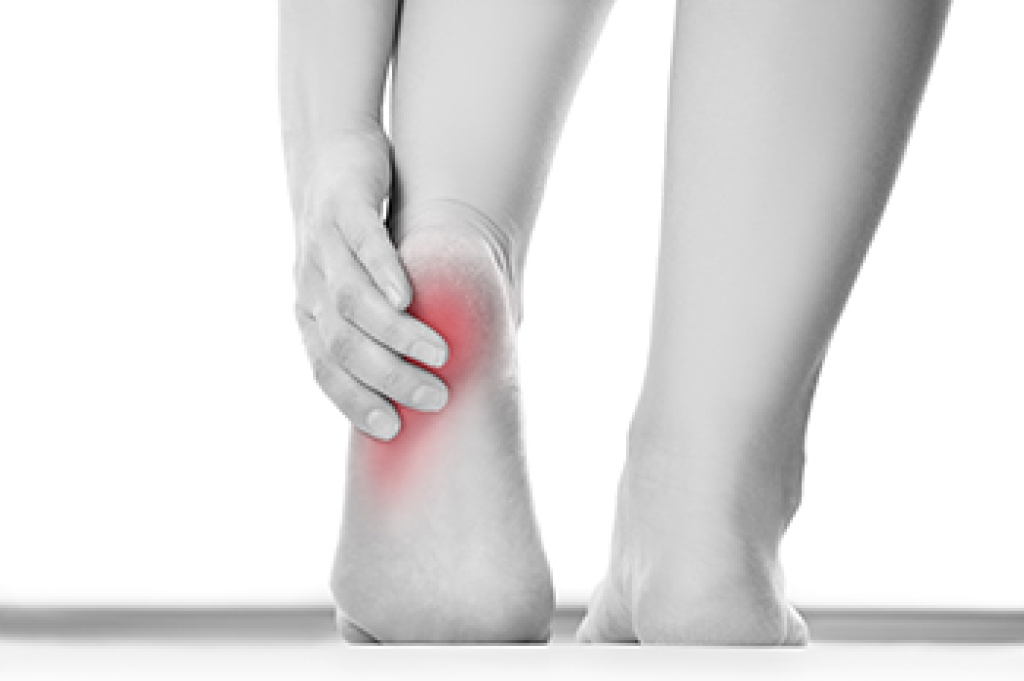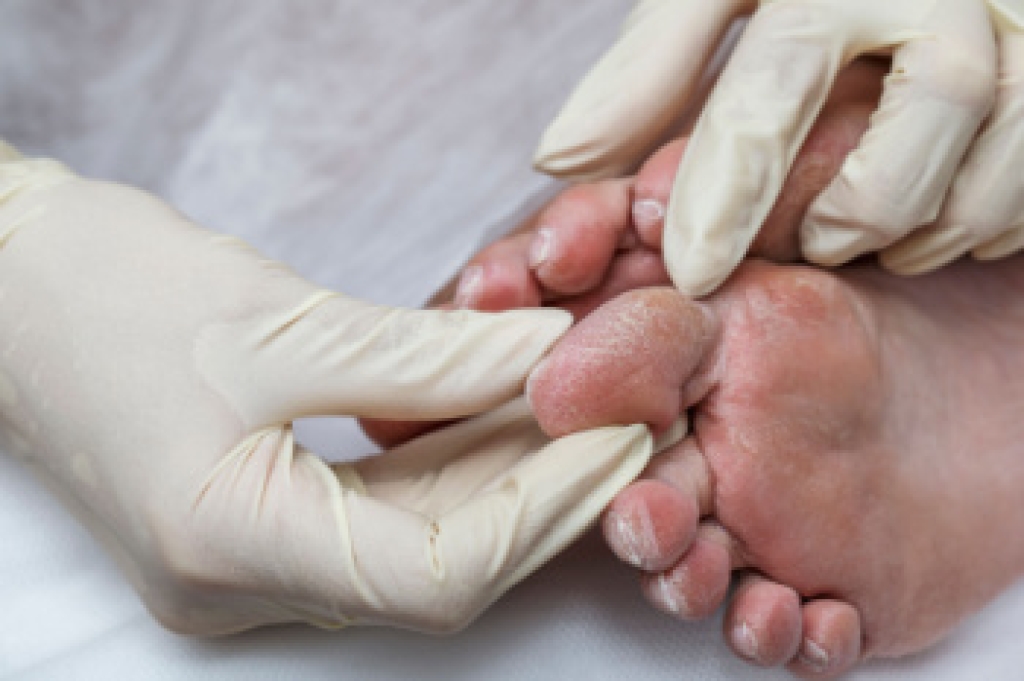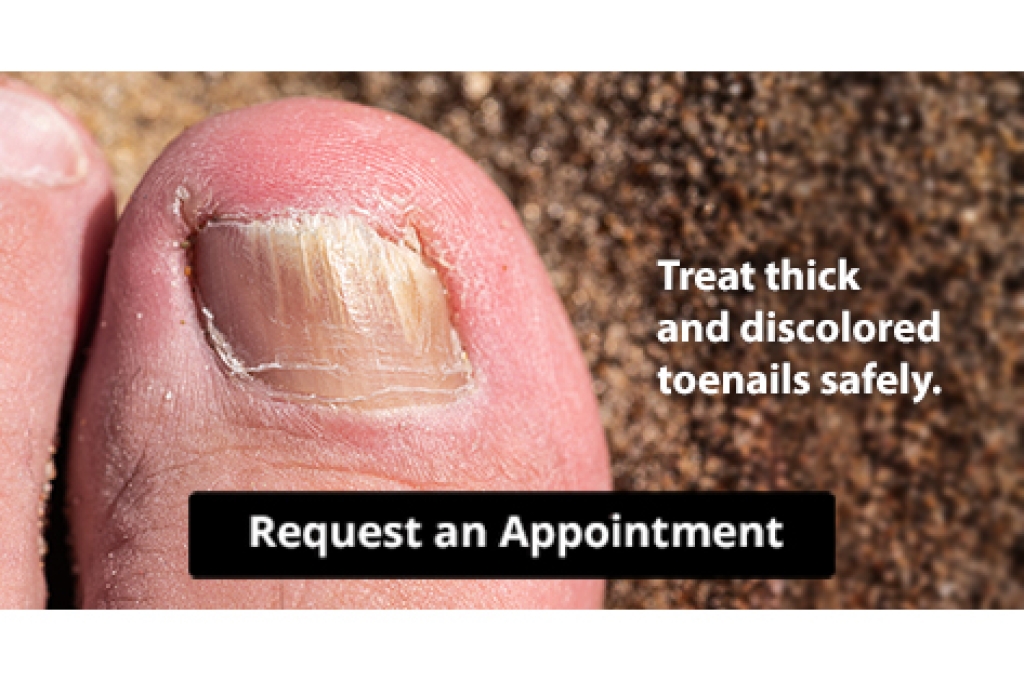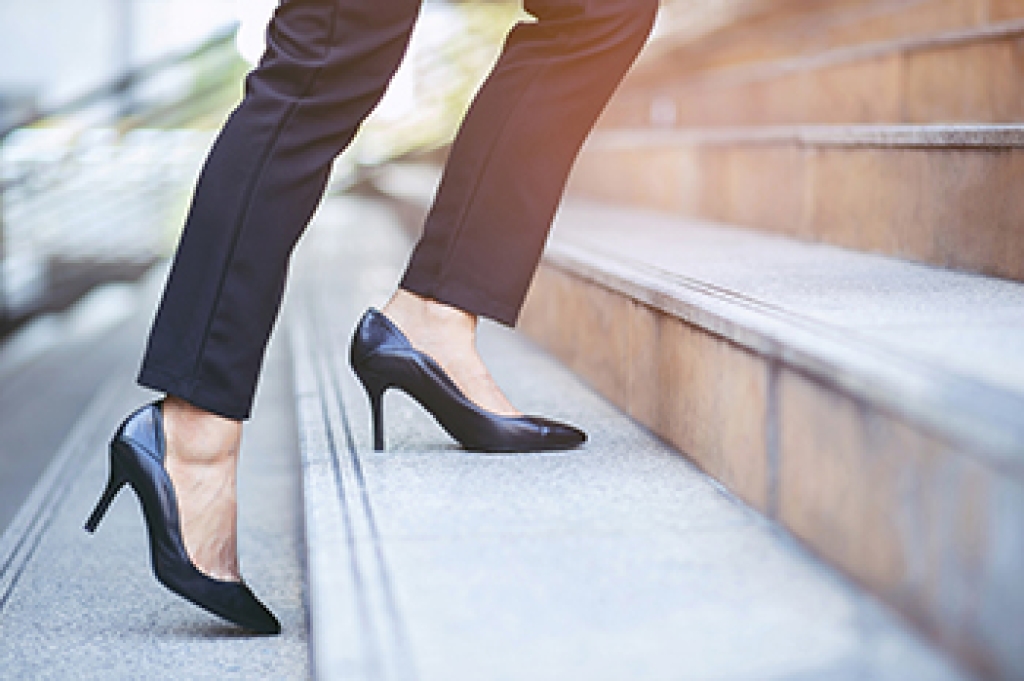
High heeled shoes can significantly affect the natural structure and function of the feet. As the heel height increases, more body weight shifts forward, placing greater pressure on the toes and the ball of the foot. This increased forefoot pressure may lead to discomfort, and may contribute to the development of foot deformities, over time. Conditions such as bunions, hammertoes, and nerve irritation may occur when the toes are forced into a narrow shoe space. Continued stress on the arch and heel may also contribute to plantar fasciitis, a painful inflammation of the connective tissue along the bottom of the foot. A podiatrist can evaluate foot alignment and provide supportive care. If you enjoy wearing high heels and have developed foot pain, it is suggested that you consult a podiatrist who can treat various foot and ankle conditions, and guide you toward more desirable shoes to wear.
High heels have a history of causing foot and ankle problems. If you have any concerns about your feet or ankles, contact one of our doctors from Andrea Hyperbaric Wound Care & Health Center. Our doctors can provide the care you need to keep you pain-free and on your feet.
Effects of High Heels on the Feet
High heels are popular shoes among women because of their many styles and societal appeal. Despite this, high heels can still cause many health problems if worn too frequently.
Which Parts of My Body Will Be Affected by High Heels?
- Ankle Joints
- Achilles Tendon – May shorten and stiffen with prolonged wear
- Balls of the Feet
- Knees – Heels cause the knees to bend constantly, creating stress on them
- Back – They decrease the spine’s ability to absorb shock, which may lead to back pain. The vertebrae of the lower back may compress.
What Kinds of Foot Problems Can Develop from Wearing High Heels?
- Corns
- Calluses
- Hammertoe
- Bunions
- Morton’s Neuroma
- Plantar Fasciitis
How Can I Still Wear High Heels and Maintain Foot Health?
If you want to wear high heeled shoes, make sure that you are not wearing them every day, as this will help prevent long term physical problems. Try wearing thicker heels as opposed to stilettos to distribute weight more evenly across the feet. Always make sure you are wearing the proper shoes for the right occasion, such as sneakers for exercising. If you walk to work, try carrying your heels with you and changing into them once you arrive at work. Adding inserts to your heels can help cushion your feet and absorb shock. Full foot inserts or metatarsal pads are available.
If you have any questions, please feel free to contact our office located in Astoria, NY . We offer the newest diagnostic and treatment technologies for all your foot care needs.